
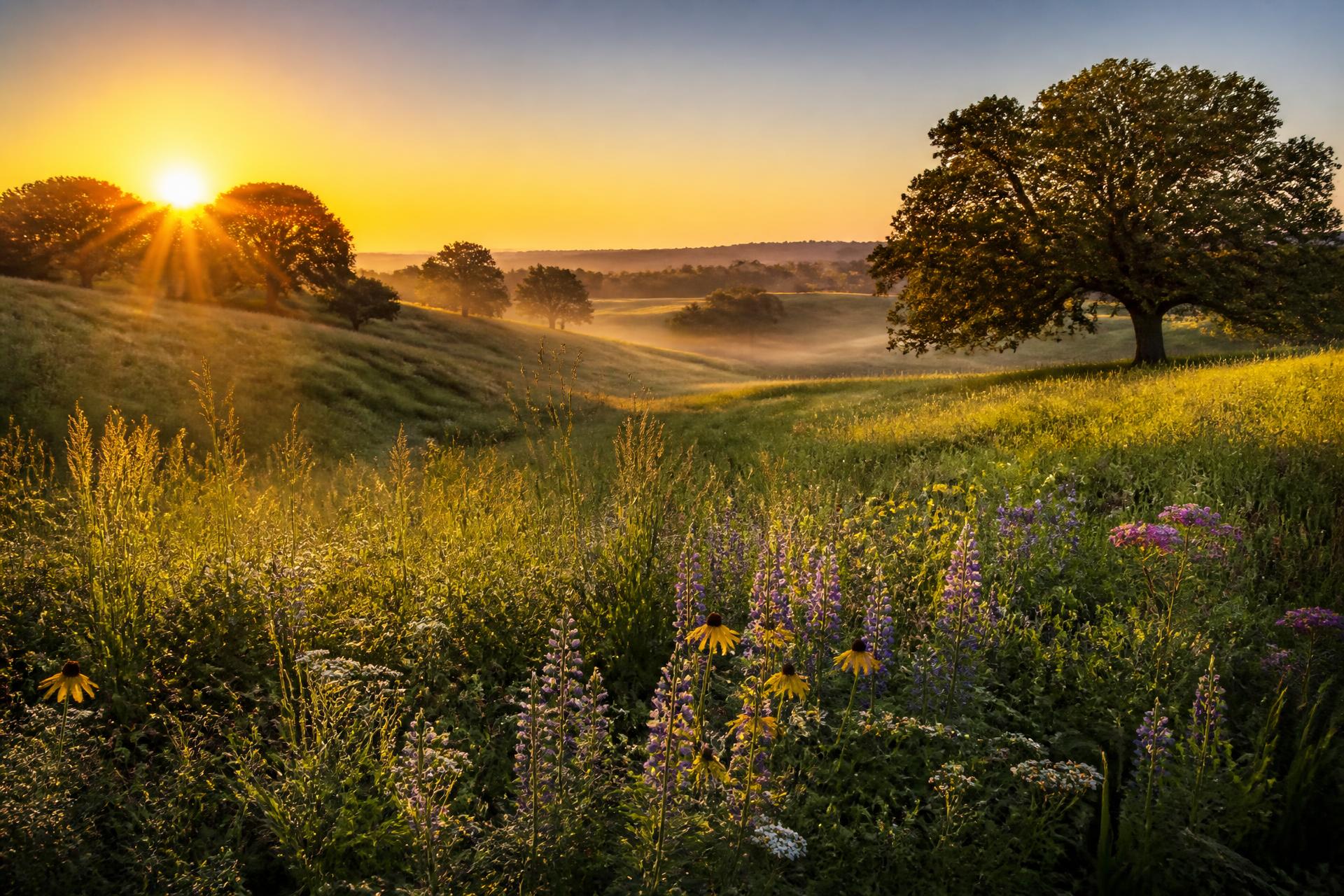
Know Your Land.
Improve Your Land.
Upload property photos and receive a professional AI land management plan with recommendations for habitat restoration, vegetation management, erosion control, and long-term stewardship.
Your first plan takes about 3 minutes.
How it works
Upload Photos
Snap a few photos of your property from your phone.
AI Analysis
Vegetation, site conditions, and opportunities are assessed.
Receive Your Plan
A professional plan with priorities and costs, ready to download.
Built for people who care for land
Landowners
Make confident decisions about the land you love.
Farmers
Balance production with healthy soil and buffers.
Property Managers
Standardize site care across every parcel.
Conservation Organizations
Scope restoration work faster and clearer.
Consultants
Deliver polished client reports in minutes.
Municipalities
Plan public land stewardship transparently.
Inside your report
Every plan is a consulting-grade deliverable — clear enough to act on this weekend, thorough enough to hand to a contractor.
- Property summary and site conditions
- AI recommendations by management goal
- Habitat score with what drives it
- Prioritized, phased action plan
- Itemized estimated costs
Mixed oak woodland transitioning to cool-season grassland, with a drainage swale showing early erosion and moderate invasive pressure along the south edge.
Phase 1 · itemized in report
- 1Remove invasive honeysuckle along the south fenceline
- 2Seed native mix in the 6-acre open field this fall
- 3Stabilize the drainage swale before spring runoff
Stories from the field
We publish customer stories only after the work is in the ground. If LandPlan helped shape your property, we would like to feature it here.
Story slot reserved for a verified LandPlan customer.
Story slot reserved for a verified LandPlan customer.
Story slot reserved for a verified LandPlan customer.
Simple, honest pricing
Analyze your property and preview your plan for free. Unlock the complete professional report for a one-time $4.99, or subscribe for ongoing work across many properties.